
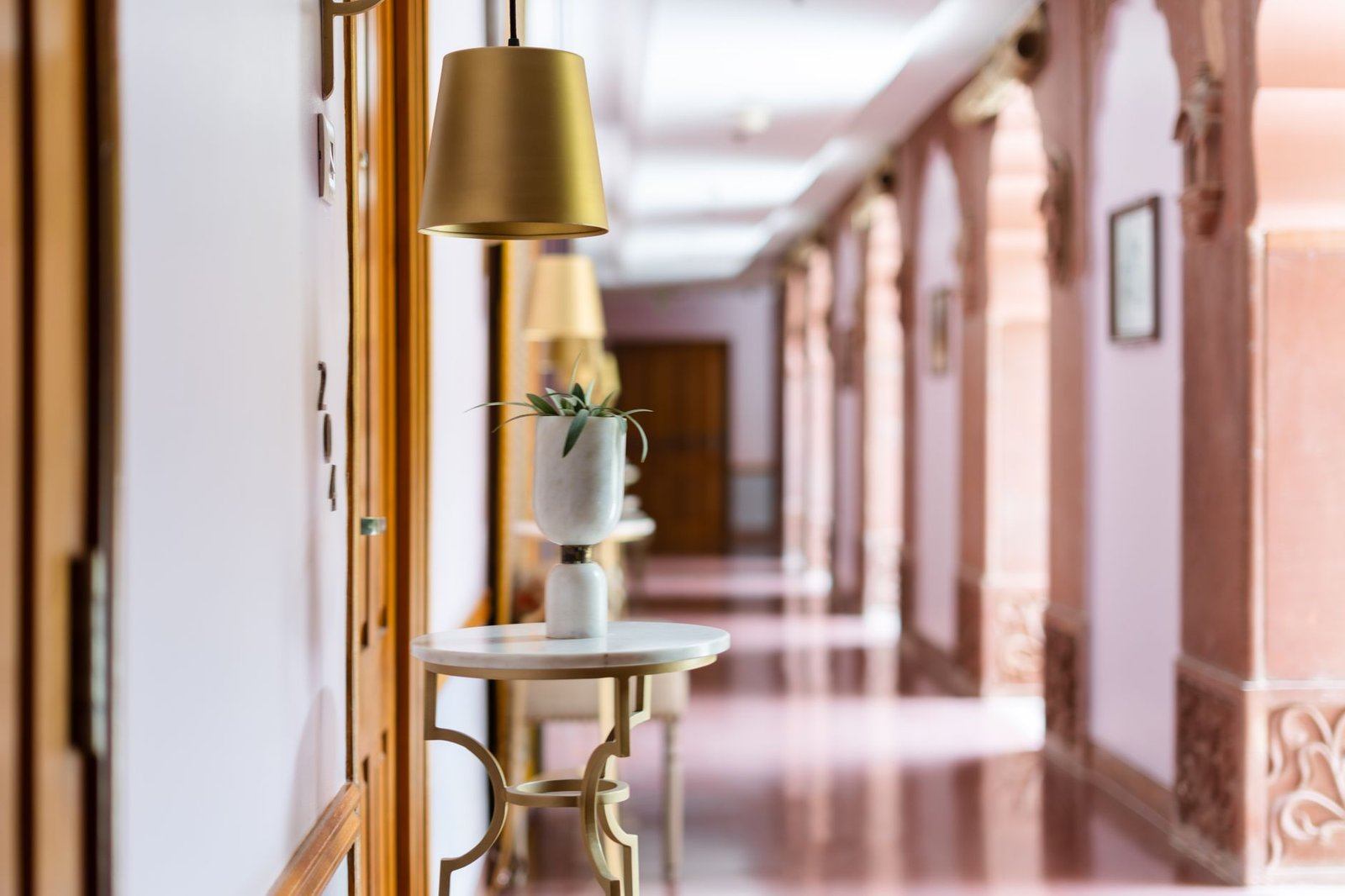

Hotel video marketing begins the moment a potential guest lands on your site and decides, in less than eight seconds, whether your place feels like somewhere they want to be. It’s not about listing amenities or showing every room type. It’s about capturing the specific quality of light through your windows at 7 a.m. in October, the sound of rain on the courtyard stones, the way your lobby feels when it’s empty except for one guest reading by the fire.
TL;DR
- Hotel video marketing works when it prioritizes feeling over features, using atmosphere and real moments instead of promotional checklists.
- Swedish hospitality brands succeed with cinematic storytelling that reflects Nordic design values: restraint, natural light, seasonal honesty, and human connection.
- Effective hotel films are short (60-90 seconds), specific (real locations, real weather, real textures), and designed to be remembered, not just watched.
- The best hotel marketing videos don’t try to appeal to everyone. They speak directly to the guest who will love your place for exactly what it is.
- Measurement matters, but so does patience. A single well-made brand film can serve your hotel for years, building recognition and trust over time.
Why Most Hotel Video Marketing Feels the Same
Scroll through a dozen hotel websites and you’ll see the same patterns: sweeping drone shots that could be anywhere, time-lapses of clouds over generic rooftops, smiling staff waving at the camera, a couple laughing in a bathrobe. None of it is technically wrong. All of it is forgettable.
The problem isn’t the production quality. It’s that these videos treat hotels as interchangeable products rather than specific places with specific stories. A boutique hotel in Göteborg has different light, different weather, different design language, and a different reason for existing than a countryside guesthouse in Dalarna. When the video could represent either one, it represents neither.
Swedish hospitality has always understood this. The best hotels here don’t try to be everything to everyone. They know their identity: a restored 18th-century manor that leans into its history, a minimalist coastal retreat that lets the archipelago do the talking, a family-run mountain lodge where the same recipes have been served for three generations. Hotel video marketing should reflect that specificity, not dilute it.
One hotel we worked with had been using a generic promo video for two years. It showed their rooms, their restaurant, their spa. Bookings were fine. But when we spent a single November afternoon filming the fog rolling through their forest, the warm glow of their dining room at dusk, and a guest’s hands holding a coffee cup by the window, something shifted. The new 75 second film didn’t increase bookings by some dramatic percentage overnight. But the guests who did book started saying the same thing: “We saw the video and knew this was the place.” That’s the difference between marketing that informs and storytelling that connects.
The Trap of Template Thinking
Many hotels approach video the way they approach print brochures: as a checklist. Show the lobby. Show three room types. Show the breakfast buffet. Show the amenities. The result is a video that works as a functional tour but fails as an emotional invitation.
Swedish design has always rejected this kind of thinking. From Swedish design traditions rooted in functionalism and natural materials to the way contemporary Nordic hotels use space and light, the philosophy is the same: every element should have a reason to exist, and beauty should feel inevitable, not decorative. Your hotel video should follow the same principle.
What Hotel Video Marketing Should Actually Do
A hotel video isn’t a virtual tour. It’s not a replacement for your photo gallery or your booking engine. It’s the first emotional impression a potential guest has of your space, and its job is singular: to make them feel something specific enough that they remember your place when they’re ready to book.
That feeling might be calm. It might be curiosity. It might be a quiet kind of longing, the sense that this is the place they’ve been trying to find without knowing it. But it has to be specific. Generic inspiration doesn’t convert. Specific resonance does.
Consider a small hotel on the west coast of Sweden, near Fjällbacka. They could film their sea views, their breakfast spread, their cozy rooms. Or they could film the 6 a.m. light on the water, the sound of wooden boats knocking against the dock, a single shot of someone walking down to the shore with a towel over their shoulder. The second version doesn’t show more. It shows better. It gives the viewer a reason to imagine themselves there, in that specific morning, in that specific place.
Emotion Over Information
Information belongs on your website’s booking page, in your FAQ section, in your confirmation emails. Your brand film is not the place to list your check-in time or explain your cancellation policy. It’s the place to show what it feels like to wake up in your space, to move through your hallways, to sit in your courtyard as the afternoon light shifts.
This doesn’t mean your video should be abstract or vague. Quite the opposite. The more specific the details, the stronger the emotion. The grain of the wooden table. The weight of the linen. The exact quality of silence in your reading room at 4 p.m. on a Tuesday in February. These details are what make a place real in someone’s mind before they’ve ever been there.
Seasonality and Honesty
Sweden has four distinct seasons, and each one changes the character of a place. A summer film of your hotel will feel dishonest to someone visiting in December. This doesn’t mean you need four separate videos, but it does mean your primary brand film should acknowledge the season it was shot in and lean into that honestly.
A hotel in Jämtland that films in winter and shows the snow, the low light, the warmth of the fireplace, and the stillness of the forest will attract guests who want exactly that experience. Trying to make your winter look like summer, or your autumn look like spring, erodes trust before the guest even arrives.

The Seven Elements of Effective Hotel Video Marketing
After years of producing hotel marketing videos across different locations, we’ve identified seven elements that separate films people remember from films people skip.
1. A Single Clear Feeling
Your video should evoke one primary emotion. Calm. Curiosity. Warmth. Solitude. Adventure. Not all of them at once. A 90-second film doesn’t have time for emotional complexity. Choose the feeling that best represents your hotel’s identity and build every shot around it.
2. Real Light, Real Weather
Swedish light is specific. The golden hour in Skåne in June looks nothing like the blue hour in Norrland in January. Your video should reflect the real light and real weather of your location. Overcast days aren’t a problem to fix in post production. They’re an opportunity to show the atmospheric, moody side of your space that many guests are actively seeking.
3. Movement with Purpose
Every camera movement should mean something. A slow push in creates intimacy. A lateral tracking shot suggests exploration. A static wide shot conveys stillness. Random pans and unnecessary zooms break the spell. In Swedish hospitality, where restraint is a design value, your camera should move only when it has a reason.
4. Sound That Grounds the Space
The creak of a wooden floor. The clink of a coffee cup on a ceramic saucer. The rustle of wind through birch trees. These sounds tell a viewer where they are more effectively than any voiceover. Many hotels make the mistake of covering their entire video with music. The best films use music sparingly, letting the natural sound of the space breathe.
5. Human Presence Without Performance
People make a space feel lived in, but they shouldn’t perform for the camera. A guest reading by the window, a chef’s hands plating a dish, someone walking down a hallway with their back to the camera, these moments feel real. Staged smiles and direct eye contact feel like advertising. In Sweden, where authenticity is culturally prized, this distinction matters even more.
6. A Defined Beginning and End
Your video should feel like a complete thought, not a loop or a montage. It should open with a single strong image that establishes place and mood, build through a series of connected moments, and close with a shot that feels like a natural conclusion. Many hotel videos fade out mid-thought. The best ones know when to end.
7. No Explanations
If your video needs a voiceover to explain what the viewer is seeing, the images aren’t strong enough. Show the fireplace instead of saying “cozy.” Show the breakfast table instead of saying “locally sourced.” Trust your audience to understand what they’re feeling without narration. According to Visit Sweden, the country’s tourism identity is built on understated storytelling and letting the landscape speak for itself. Your hotel video should follow the same instinct.
How Swedish Hotels Should Approach Video Production
The question isn’t whether you need video. You do. The question is what kind of video serves your hotel’s identity and your guests’ expectations. A luxury archipelago retreat needs a different approach than a budget-friendly city hostel in Stockholm. But both need the same foundational thinking: clarity of identity, honesty of presentation, and respect for the viewer’s time.
Start with Strategy, Not Shots
Before you book a crew or pick up a camera, answer three questions: Who is this video for? What do we want them to feel? What should they do after watching? A boutique hotel in Uppsala targeting Swedish weekend travelers will have different answers than a countryside inn in Värmland targeting international guests. Your creative decisions should flow from these answers, not from what looks cool or what your competitor is doing.
Work with People Who Understand Your Place
A production team that has never been to Sweden will struggle to capture what makes your hotel Swedish. They’ll default to generic “Nordic” aesthetics: white walls, blonde wood, minimalist furniture. But Swedish hospitality is more textured than that. It’s the specific red of a Falun painted barn, the particular grey of the Baltic in November, the way fika culture shapes the rhythm of a day. Work with filmmakers who know these details or are willing to spend time learning them.
Invest in One Great Film, Not Five Mediocre Ones
Many hotels spread their budget across multiple short clips: a room tour, a restaurant feature, a welcome message, an amenities overview. The result is a library of content that no one watches all the way through. A better approach: invest in one 60-90 second brand film that captures the essence of your hotel, then create shorter cuts and variations from that same shoot. One strong piece of video marketing for hotels will serve you longer and better than a dozen weak ones.

What to Do with Your Hotel Video Once It Exists
A finished film is only valuable if people see it. Too many hotels treat their brand video like a trophy: they put it on the homepage, maybe post it once on Instagram, and then let it sit. That’s a waste of the time and money you invested.
Your Website
The video should autoplay (muted, with captions) on your homepage, above the fold. It should also live on a dedicated “About” or “Our Story” page where people who want to watch it fully can do so without distraction. Embed it natively when possible rather than linking to YouTube or Vimeo; native video keeps people on your site longer, which search engines reward.
Social Channels
Cut your main film into shorter versions for Instagram Reels (30-45 seconds), Stories (15 seconds), and Facebook (60 seconds). Each platform has different aspect ratios and viewing behaviors; don’t just repost the same file everywhere. Add Swedish subtitles for accessibility and for viewers watching without sound, which is most of them.
Booking Platforms and Email
If your booking platform allows video uploads, use them. Many guests browse Booking.com or other aggregators before visiting your direct site. A strong video in that context can be the difference between a click and a scroll. Include a link to your video in confirmation emails, pre-arrival emails, and post-stay follow-ups. Guests who’ve already booked are more likely to watch and share.
Paid Promotion (When It Makes Sense)
Organic reach is limited. If you’re launching a new hotel, reopening after renovation, or targeting a specific campaign (summer packages, winter retreats, culinary weekends), a small paid budget behind your video can extend its reach significantly. Target Swedish cities where your ideal guests live: Stockholm, Göteborg, Malmö. Use interest-based targeting around travel, design, food, and nature rather than broad demographics.
Key Takeaways
- Hotel video marketing works when it captures a specific feeling tied to a specific place, not when it lists features or mimics competitors.
- Swedish hospitality brands should lean into seasonal honesty, natural light, and the restrained aesthetic that defines Nordic design rather than chasing international trends.
- A single well-crafted 60-90 second brand film, used strategically across platforms, will outperform a scattered library of mediocre clips.
- Work with filmmakers who understand your region’s light, weather, culture, and unspoken design language. Authenticity can’t be templated.
- Measure success through session duration, booking attribution, and qualitative guest feedback, not just view counts. The goal is resonance, not virality.
Hotel video marketing isn’t about having the biggest budget or the fanciest equipment. It’s about knowing what makes your place worth remembering and showing that truth in a way
Frequently Asked Questions
What makes hotel video marketing effective in Sweden’s hospitality market?
Effective hotel video marketing in Sweden prioritizes atmosphere and emotional resonance over feature lists. Swedish travellers and international guests visiting Sweden respond to authenticity, natural light, seasonal honesty, and the quiet moments that define a place. A 90-second film showing morning light on wooden floors will outperform a three-minute amenities tour.
How long should a hotel marketing video be?
For primary brand films, 60-90 seconds captures attention without losing momentum. Shorter social cuts (15-30 seconds) work for reels and stories. Longer-form content (2-4 minutes) suits behind-the-scenes storytelling or founder narratives. The length matters less than pacing: every second should earn its place.
What’s the difference between a hotel promo video and a brand film?
A promo video lists features, amenities, and selling points. A brand film shows how a place feels. It uses light, sound, movement, and real human moments to create an emotional impression. In Sweden’s hospitality market, where design and atmosphere are core to the guest experience, brand films build longer-lasting recognition and trust.
Should we hire a local Swedish video production team for hotel content?
Yes, if they understand your region’s light, weather, and cultural texture. A team familiar with Swedish seasons, the quality of light in different months, and the unspoken aesthetics of Nordic hospitality will produce more authentic work. Generic international templates rarely capture the specificity that makes a Swedish hotel memorable.
How do we measure the ROI of hotel video marketing?
Track direct bookings attributed to video landing pages, time-on-site increases after adding video, social engagement rates, and qualitative feedback from guests who mention your visual identity. Swedish boutique hotels often see 30-50% longer average session durations on pages with cinematic video compared to static galleries. Brand recall and word-of-mouth are harder to quantify but equally valuable.
What should we avoid in hotel video marketing?
Avoid generic stock footage, over-edited transitions, aggressive voiceovers, and feature lists read aloud. Skip drone shots that could be anywhere. Don’t oversaturate colours or add trendy music that will date the film in six months. Swedish hospitality thrives on restraint, so the video should reflect that.
Can small Swedish hotels afford professional video marketing?
Professional doesn’t always mean expensive. A single well-crafted 90-second brand film, shot over one carefully planned day, can serve a boutique hotel for years across its website, social channels, and booking platforms. The cost per impression over time makes it one of the most durable investments in a hotel’s visual identity.